
Keynotes and Executive Briefings
Engineering Technical Culture When Failure is Not an Option
Engineering technical culture when failure is not an option — from someone currently doing exactly that.
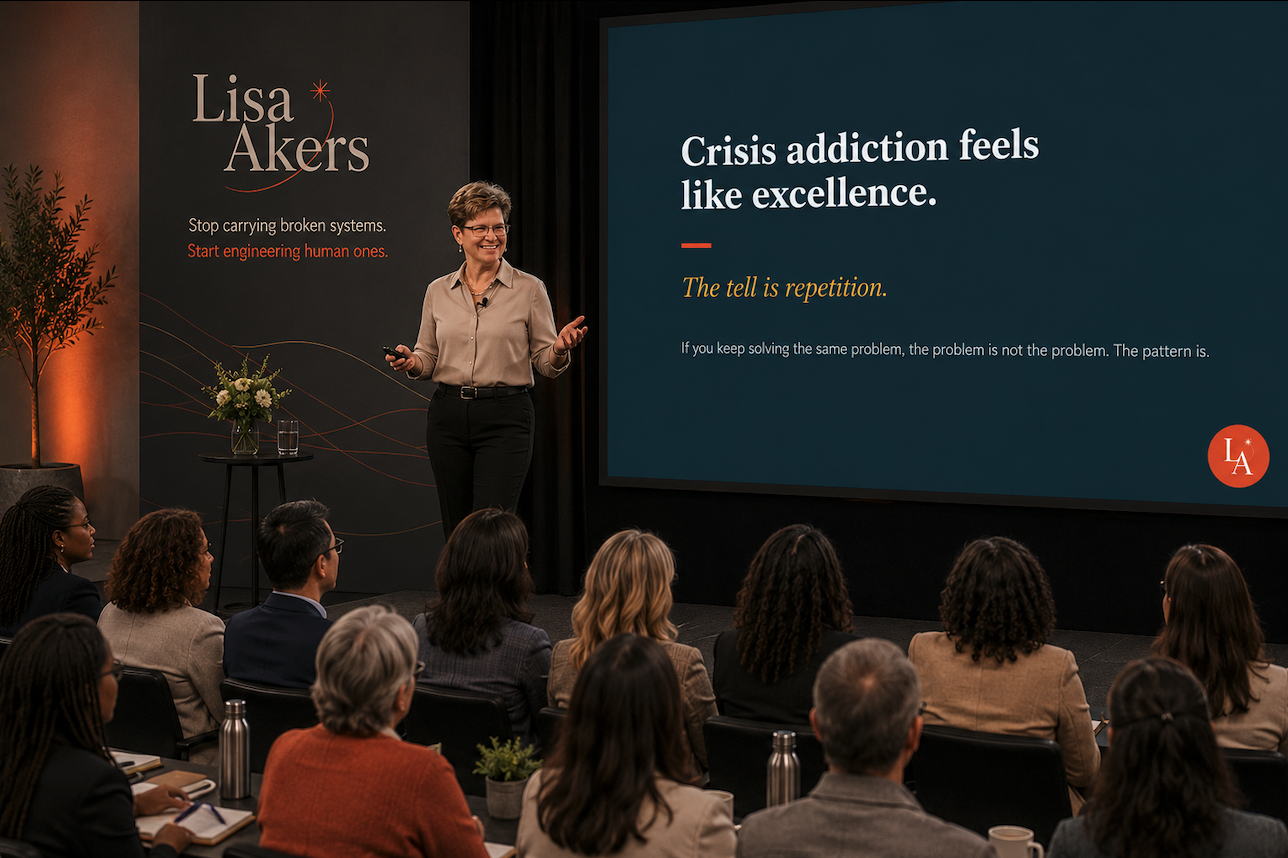
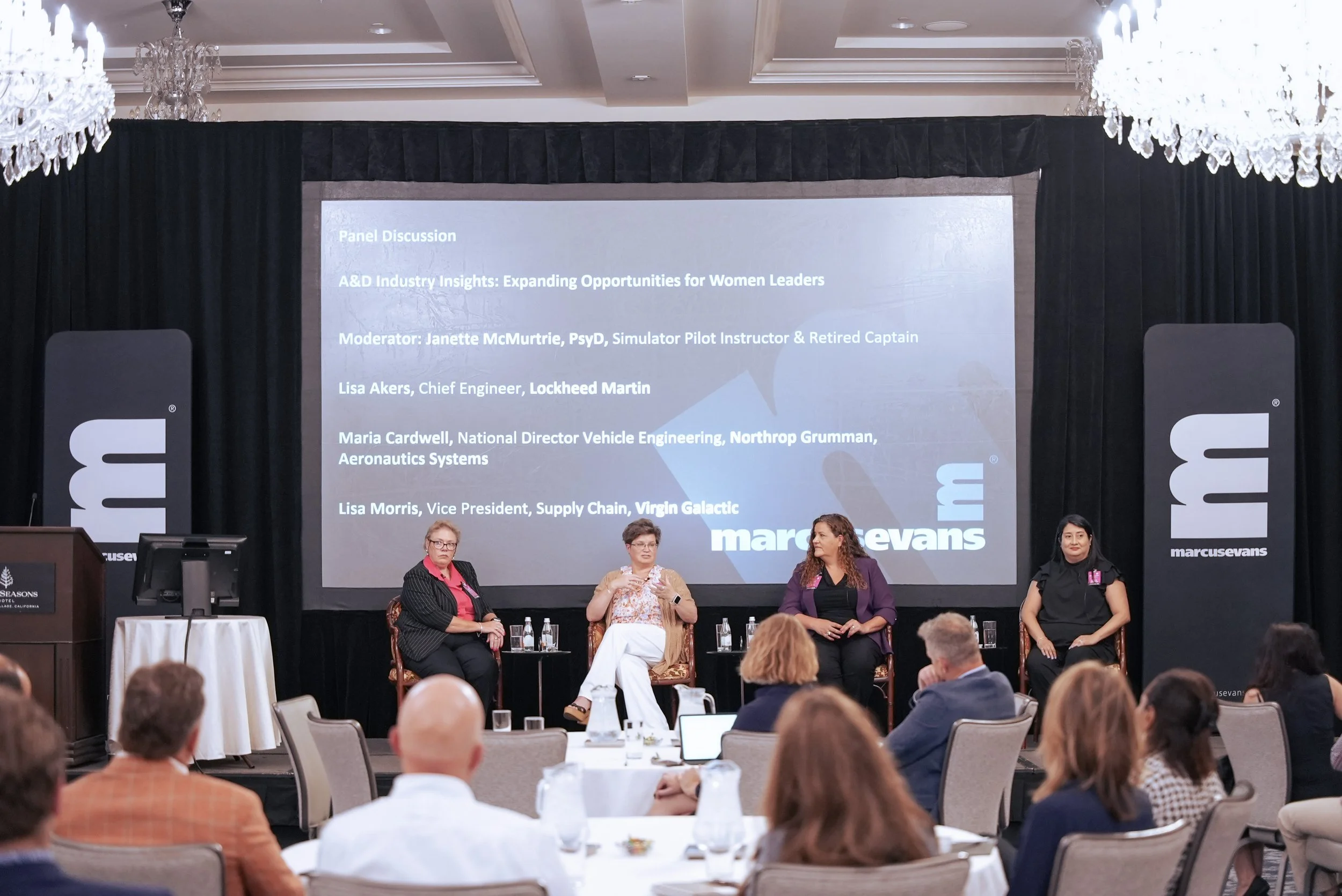
Most leadership speakers can tell your engineers how to communicate better, set boundaries, or build psychological safety. Lisa Akers can tell them what it actually looks like to hold a technical position under pressure when the stakes are real — because she's doing it right now, on Artemis II.
Her talks don't deliver generic leadership frameworks dressed up in aerospace language. They deliver the real thing: thirty years of hard-won insight about what breaks technical cultures, what fixes them, and why the human variable deserves the same rigor as any other engineering problem.
Signature Keynote Topics
1. The Emotional Architect: Engineering the Human Variable for Technical Excellence
When technical systems break, we conduct root cause analysis. When human systems break — missed deadlines, toxic communication, passive resistance, talent walking out the door — we tend to call it culture and move on.
This talk challenges that. Based on her book The Emotional Architect, Lisa makes the case that human dynamics in technical organizations aren't soft — they're structural. And like any structural failure, they can be diagnosed, redesigned, and built to last.
Best for: Executive summits, annual leadership retreats, engineering leadership conferences.
2. Mission-Critical Leadership: Building High-Stakes Teams That Fail-Safe, Not Fail-Hard
In human spaceflight, system failures cost lives. In technical organizations, they cost years of momentum, your best people, and the trust that's almost impossible to rebuild once it's gone.
This talk draws directly from the experience of leading high-stakes spaceflight engineering teams — what the cultural infrastructure of a high-functioning technical team actually looks like, how critical dissent reaches decision-makers before it's too late, and how to lead through ambiguity without either freezing or pretending certainty you don't have.
Best for: Engineering organizations, aerospace and defense forums, technical leadership teams navigating rapid growth or significant change.
3. Why Great Engineers Leave—and What Actually Fixes It
High-performing engineers don't quit because the work is hard. They quit because the system is broken and nobody with authority is willing to say so. Mental health days and wellness apps are not a retention strategy.
This briefing gives CTOs, VPs of Engineering, and People Operations leaders the structural diagnosis they've been missing — how to identify the specific organizational patterns that generate burnout and attrition, and what it actually takes to fix them.
Best for: Executive leadership teams, CTOs and VPs of Engineering, HR and People Operations leaders in technical organizations.
For Event Organizers
What working with Lisa looks like
Every engagement starts with a pre-brief — a real conversation with your leadership team about what your organization is actually dealing with. The talk gets built from there. Lisa doesn't deliver the same keynote twice because the problem is never exactly the same twice.
You'll receive full AV specifications, promotional materials, and speaker assets well ahead of your event. Logistics are handled cleanly. The goal is that your team is thinking about the ideas long after the event ends, not about whether the speaker showed up prepared.
Lisa accepts a limited number of keynote and briefing engagements each year.
Non-profits, student organizations, and underrepresented groups in STEM
A limited number of pro-bono and reduced-rate engagements are reserved each year for organizations doing important work without corporate budgets. If you're a registered non-profit, student organization, or professional association — SWE, NSBE, SHPE, and similar — select the community impact option in the inquiry form and tell us about your work.